
Advanced IndustrialSurface Protection
Industrial surfaces face very different challenges — and no single protection technology fits them all. Nanoshine Group Corp. combines advanced nanoceramic coatings, protective films, and application-specific solutions to create protection systems tailored to the substrate, operating environment, performance requirements, and maintenance needs of each project.
Surface protection is an operational decision.
In industrial environments, surface degradation is rarely only cosmetic. Corrosion, permanent staining, chemical attack, UV exposure, extreme temperatures, contamination buildup, and aggressive cleaning can increase maintenance requirements, shorten asset lifespan, and create avoidable downtime.
There is no single protection technology for every industrial application. Different substrates, operating conditions, service requirements, and maintenance procedures require different approaches. Depending on the project, the appropriate solution may involve ceramic coatings, protective films, functional films, maintenance systems, or a combination of technologies.
Nanoshine Group Corp. works with each application individually to determine the most appropriate protection system — taking into account the surface, operating environment, expected performance, application process, and planned maintenance.
The objective is practical: protect the asset, simplify maintenance, reduce unnecessary intervention, and support more predictable lifecycle costs.
Ceramic Pro STRONG
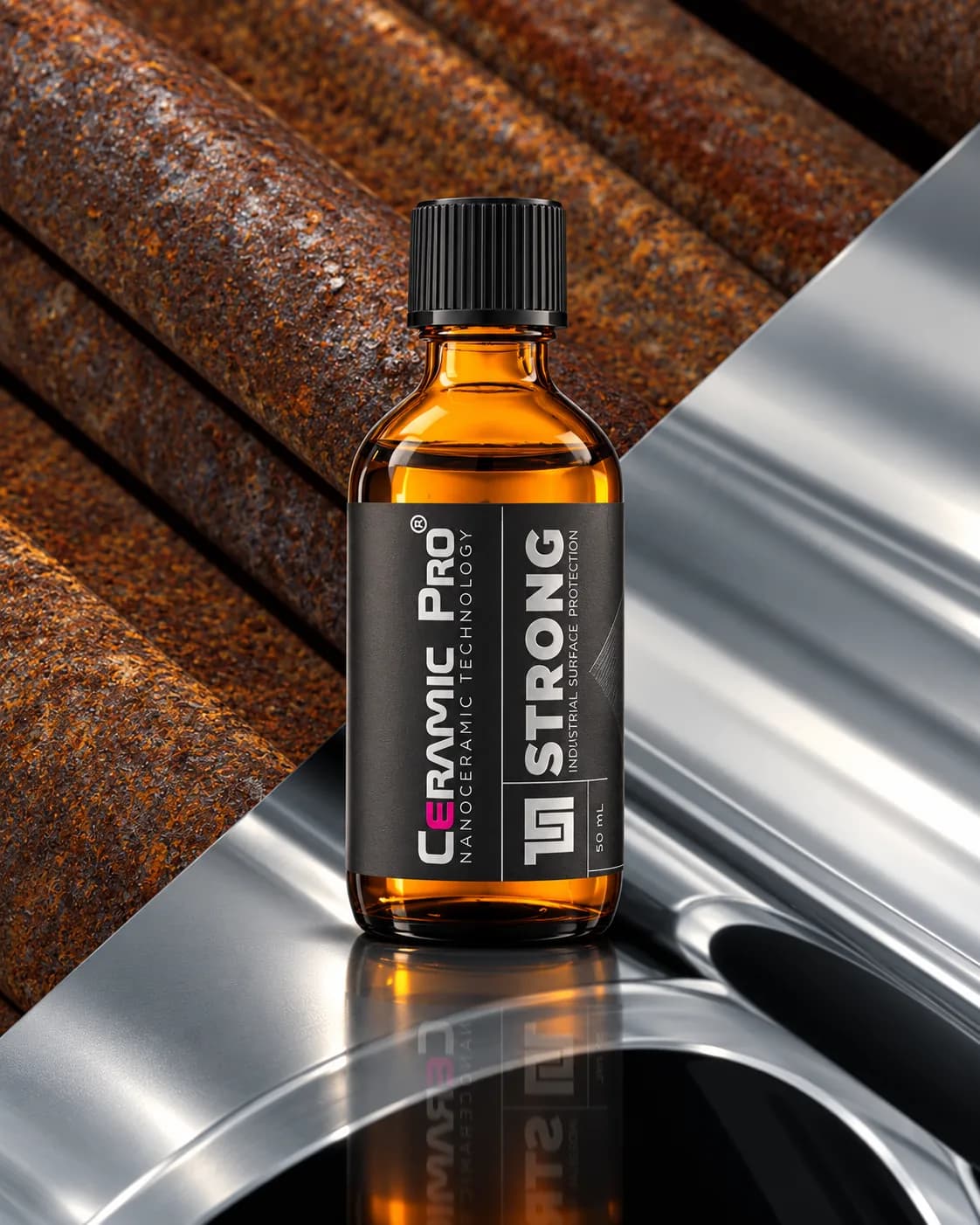
Ceramic Pro STRONG is one of our most established nanoceramic coatings for demanding industrial applications, with a long track record across different substrates and operating environments.
It forms an ultra-thin, chemically resistant and hydrophobic barrier that helps protect surfaces exposed to chemicals, humidity, UV radiation, contamination, and harsh operating conditions — while preserving the original structure, flexibility, and appearance of the substrate.
Its versatility makes STRONG suitable for a wide range of industrial applications, either as a standalone protective layer or as part of a broader surface protection system.
But not every application calls for the same solution. Nanoshine Group Corp. continues to develop and test new coatings, films, and combined protection systems for specific substrates, operating environments, application processes, and performance requirements.
Oil & Gas
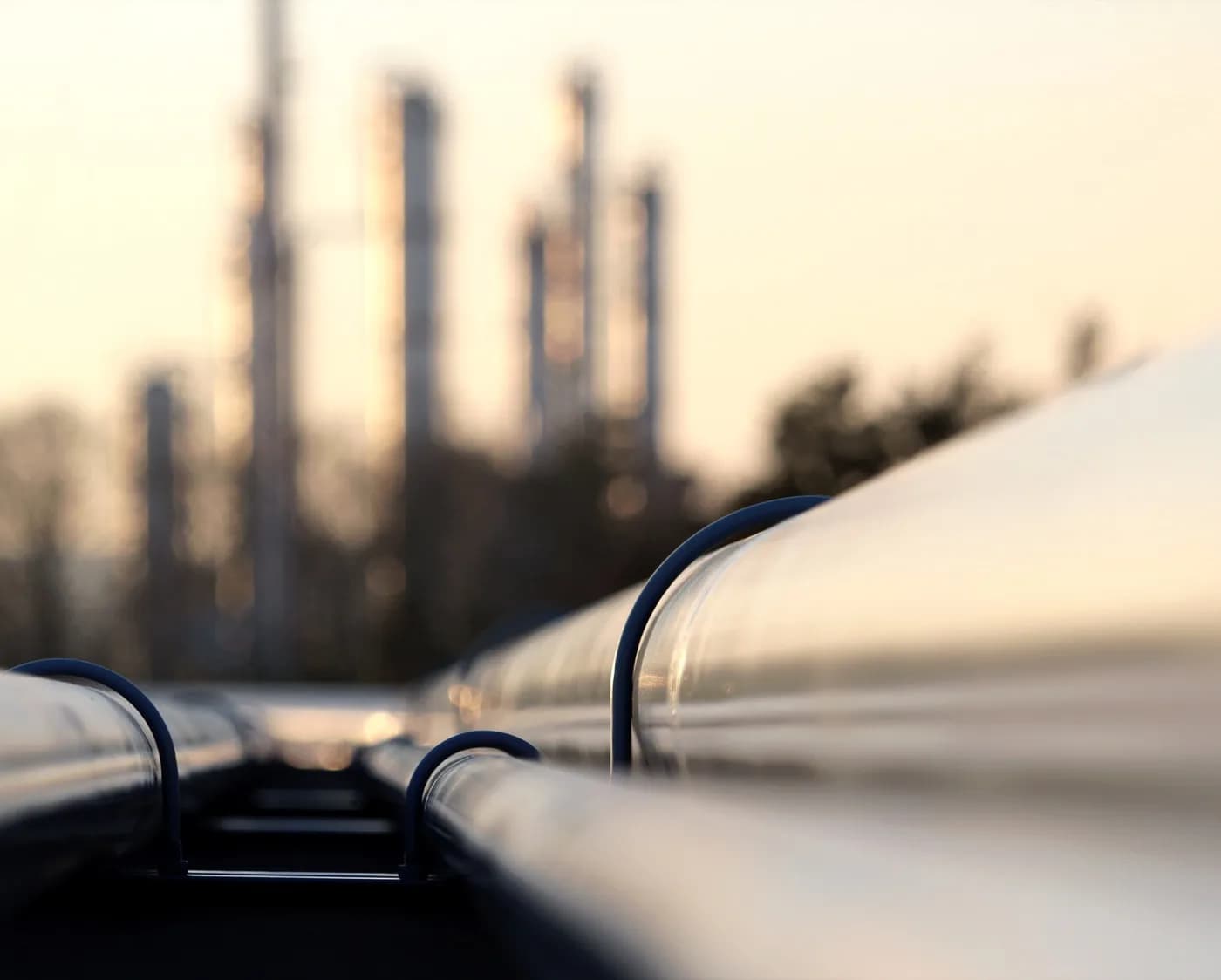
Protect pumps, pipelines, drilling equipment, pipe manifolds, valves, and exposed metal components from corrosion, chemical contamination, humidity, and operational wear.
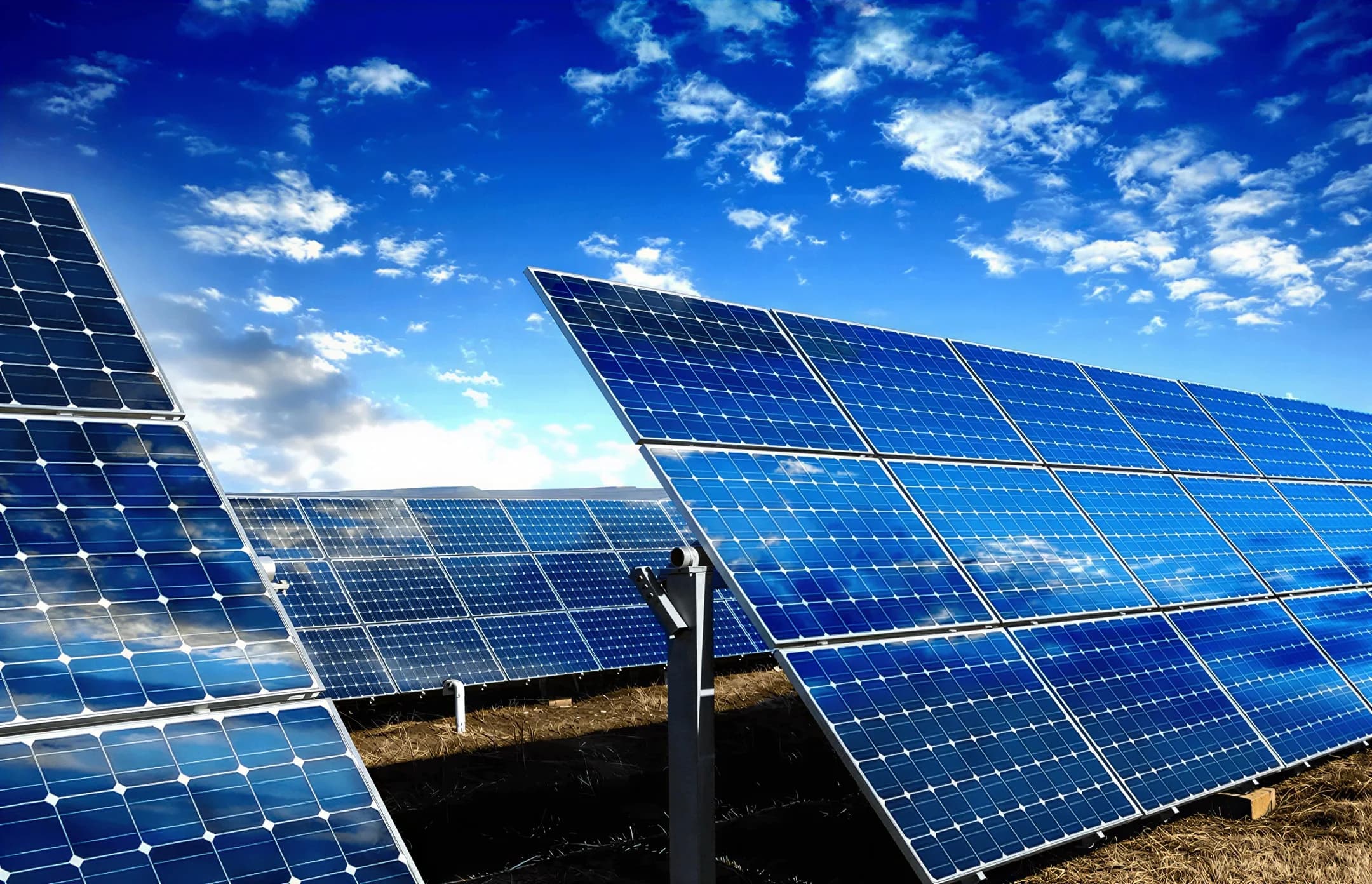
Renewable Energy
Support long-term performance of solar panels, metal frames, support structures, and energy infrastructure exposed to UV, dust, rain, snow, and organic contamination.
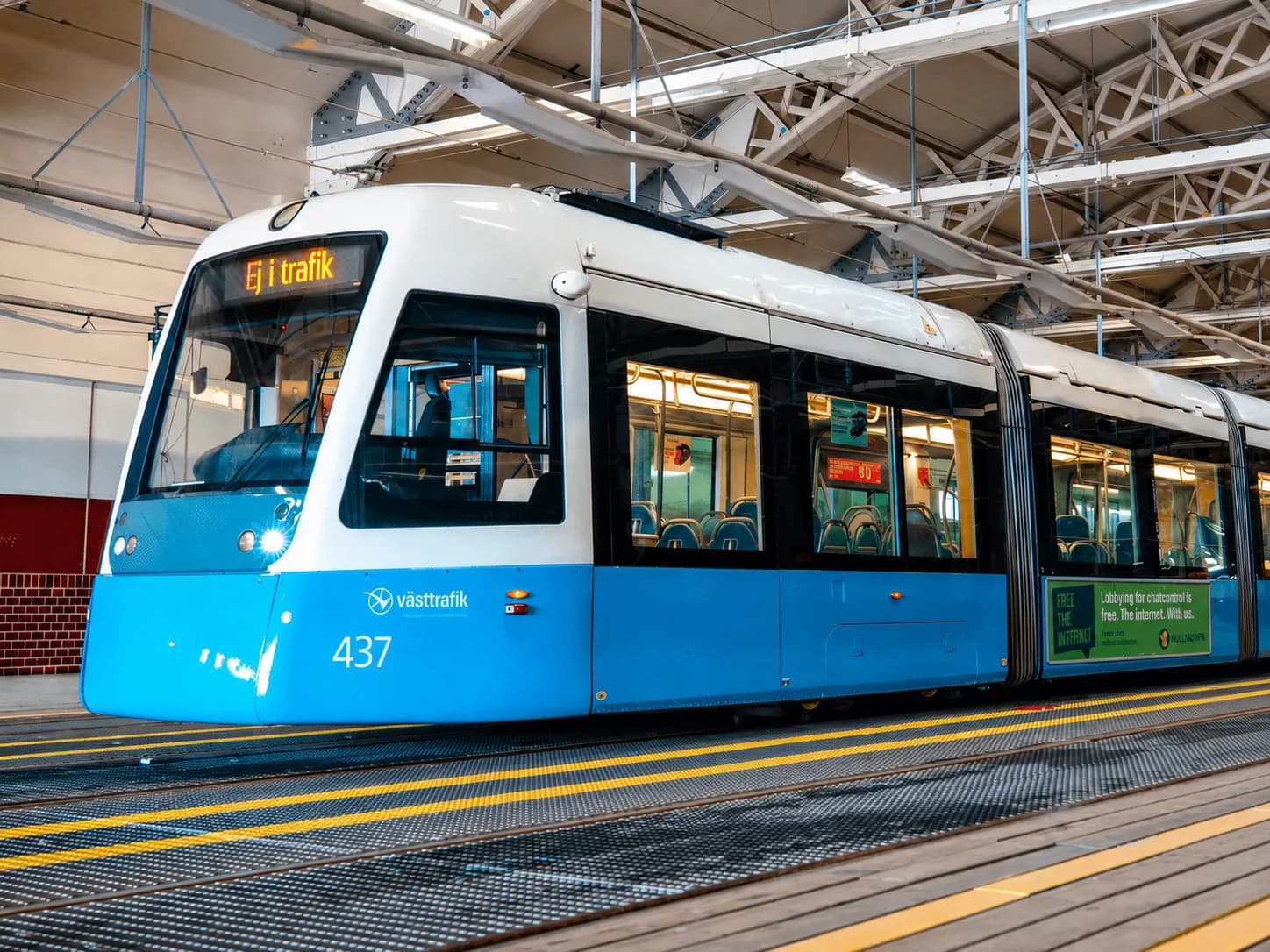
Transportation
Protect rail, metro, tram, bus, and public transport surfaces from UV degradation, graffiti, road contamination, salt, harsh washing cycles, and daily exposure.
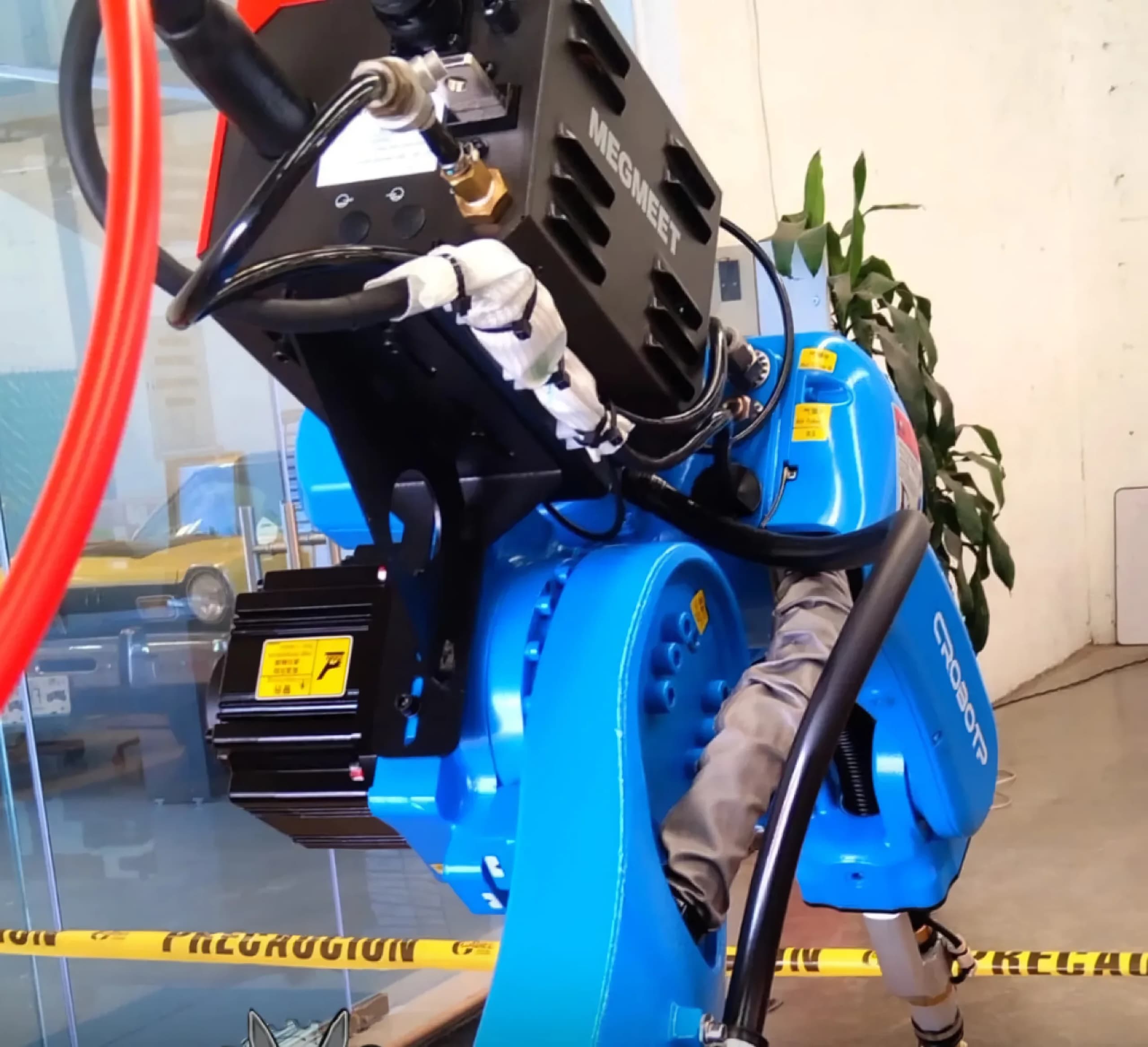
Manufacturing
Improve surface durability and maintenance efficiency for machinery, production equipment, industrial glazing, painted elements, and high-touch operational surfaces.
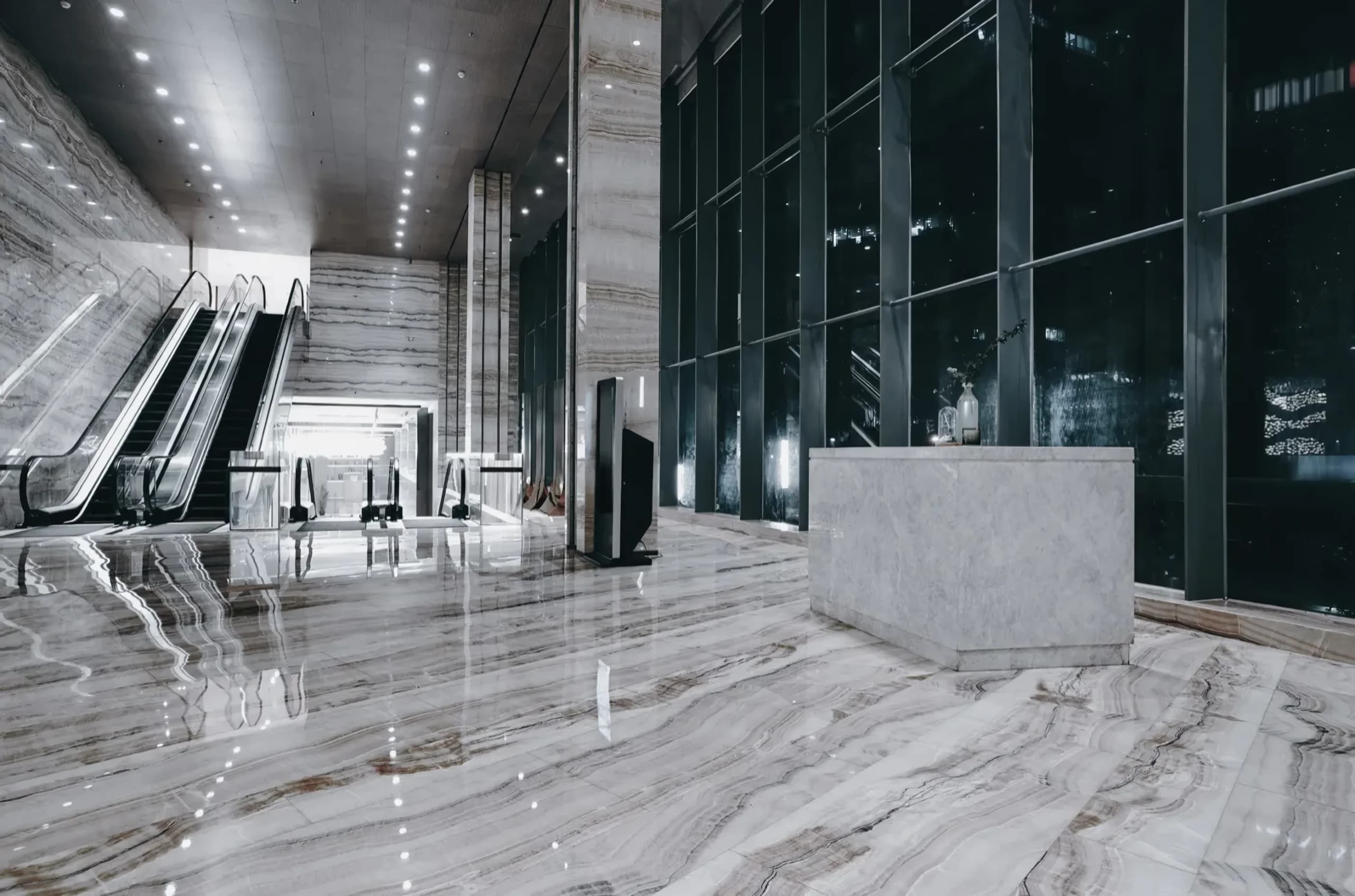
Infrastructure
Preserve bridges, facades, public structures, outdoor installations, signage, architectural metals, and exposed surfaces in aggressive outdoor environments.
Marine & Coastal
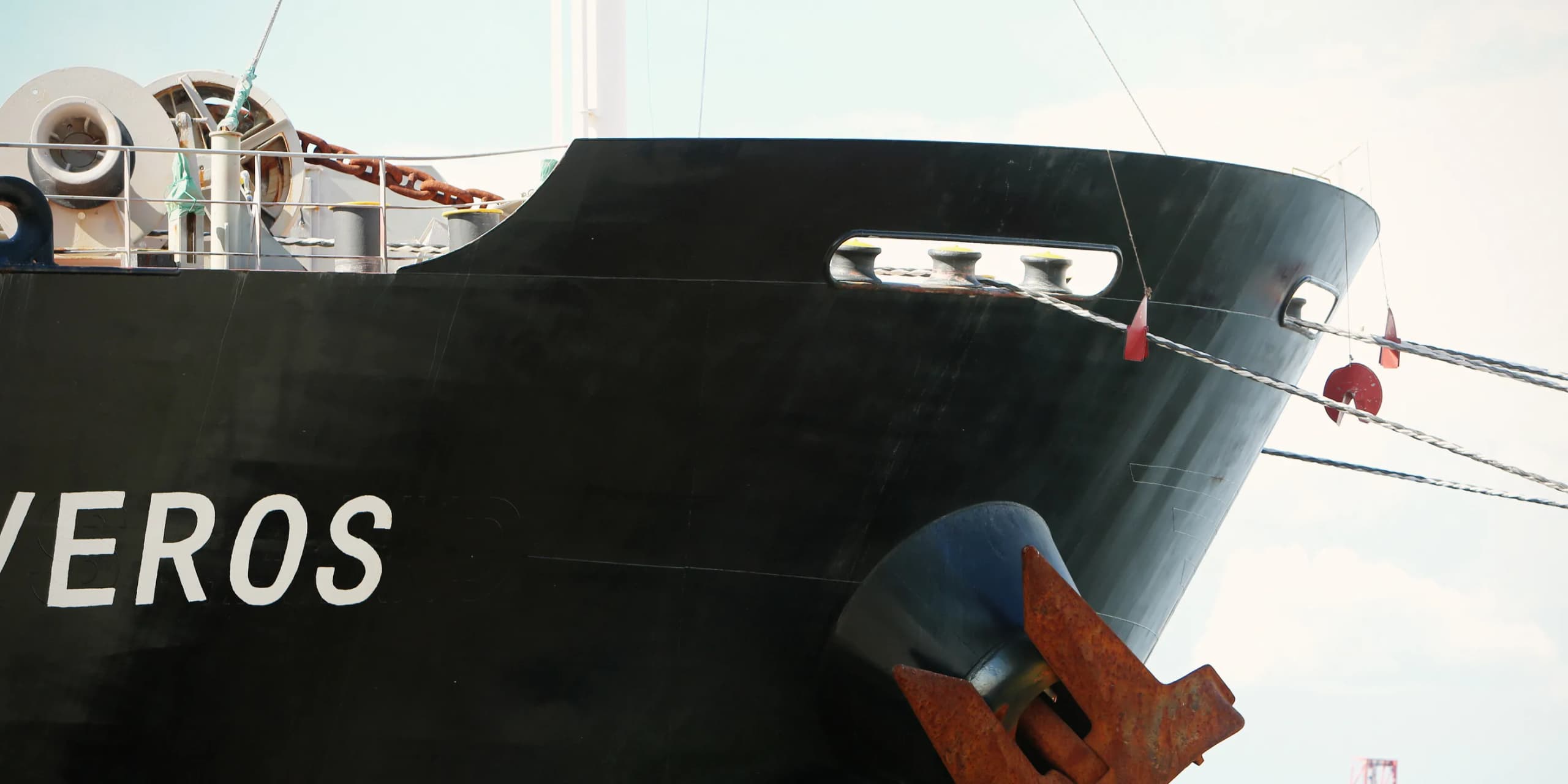
Provide an additional protective barrier for surfaces exposed to salt air, humidity, saline contamination, corrosion risk, and demanding coastal climates.
Industrial Challenges We Solve
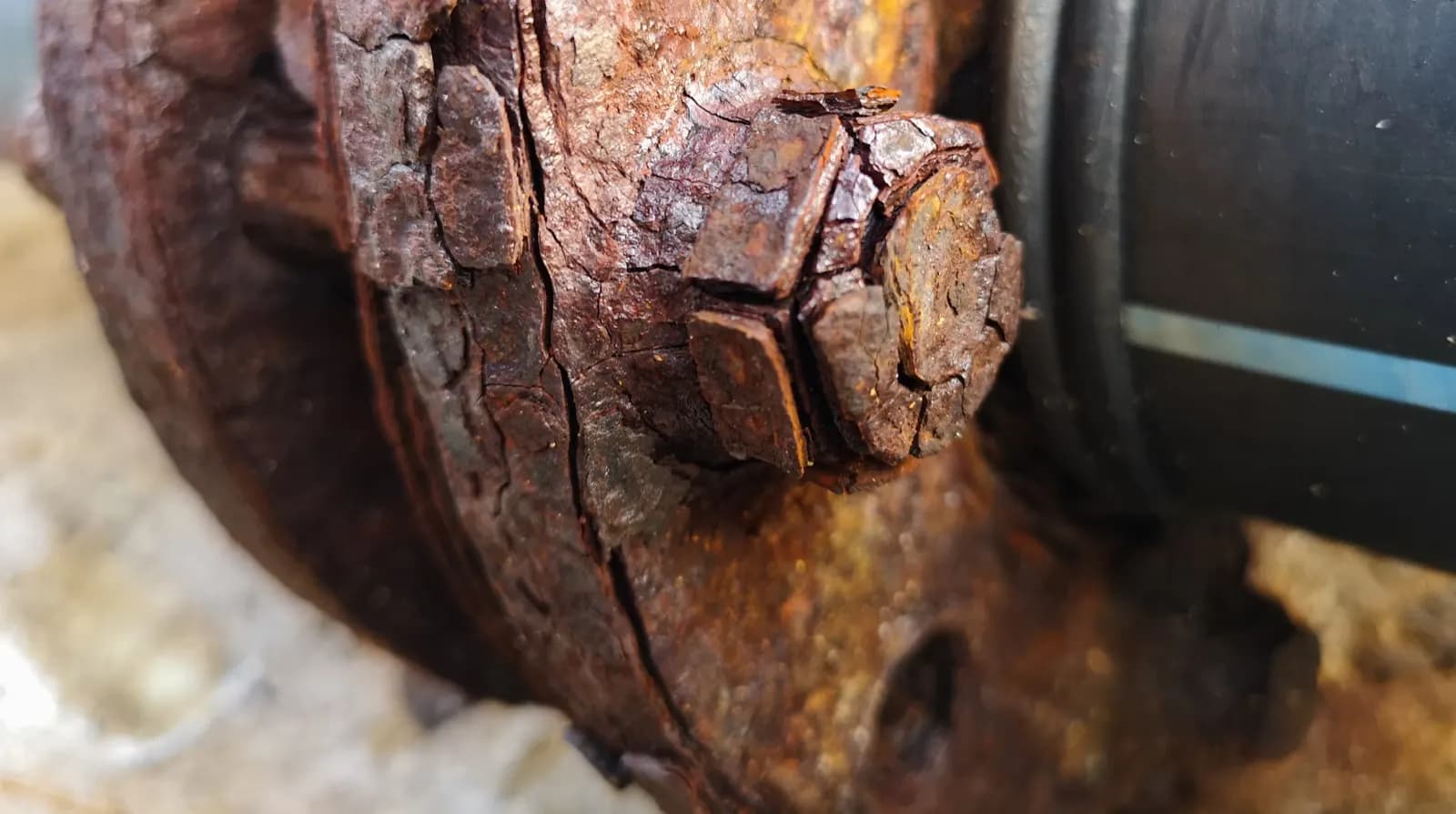
Industrial assets face complex environmental and operational stress while still being expected to look clean, professional, and high-performing. One surface may face humidity, salts, acidic or alkaline substances, UV radiation, heat, soot deposits, dust, oil, repeated washing, and mechanical wear.
Multiple Technologies. One Protection System.
Nanoshine Group Corp. works with a range of surface protection technologies that can be used individually or combined according to the requirements of the application.
Ceramic Coatings
Thin, chemically bonded protection for applications requiring chemical resistance, contamination control, hydrophobicity, UV stability, or easier maintenance.
Protective & Functional Films
Sacrificial and functional films can provide physical protection, solar control, hydrophilic properties, privacy, or surface transformation where a coating alone is not the appropriate solution.
Combined Systems
Where several forms of protection are required, coatings, films, surface preparation, and maintenance products can be integrated into a single protection system.
Custom Development
For non-standard requirements, our technical and R&D teams can adapt materials, combinations, application methods, curing processes, and validation procedures to the project.
Engineered for Harsh Industrial Environments
Industrial protection is ultimately measured by its effect on operation. A properly selected surface protection system can reduce contamination and surface degradation, simplify maintenance, and help preserve assets under demanding operating conditions.
Reduced contaminant adhesion can make routine cleaning easier and decrease reliance on aggressive cleaning methods.
Protection from moisture, chemicals, salts, UV exposure, and environmental contamination can slow surface degradation.
Longer maintenance intervals and easier cleaning can reduce downtime and support more predictable lifecycle planning.
Laboratory Testing & Industrial Validation
Nanoshine Group Corp. uses laboratory testing to evaluate surface protection technologies and validate solutions for specific industrial applications. Depending on the project, testing may include chemical exposure, salt spray resistance, adhesion, abrasion, impact and flexibility, UV exposure, hydrophobicity, and environmental durability.
Validation can follow internationally recognized standards such as ASTM and JIS, as well as customer-specific testing procedures. Understanding how a customer intends to evaluate performance allows our technical team to prepare representative samples and define application and curing parameters accordingly.
This helps ensure that laboratory results are relevant to the actual substrate, operating environment, and intended industrial application.
From Technical Assessment to Industrial Implementation
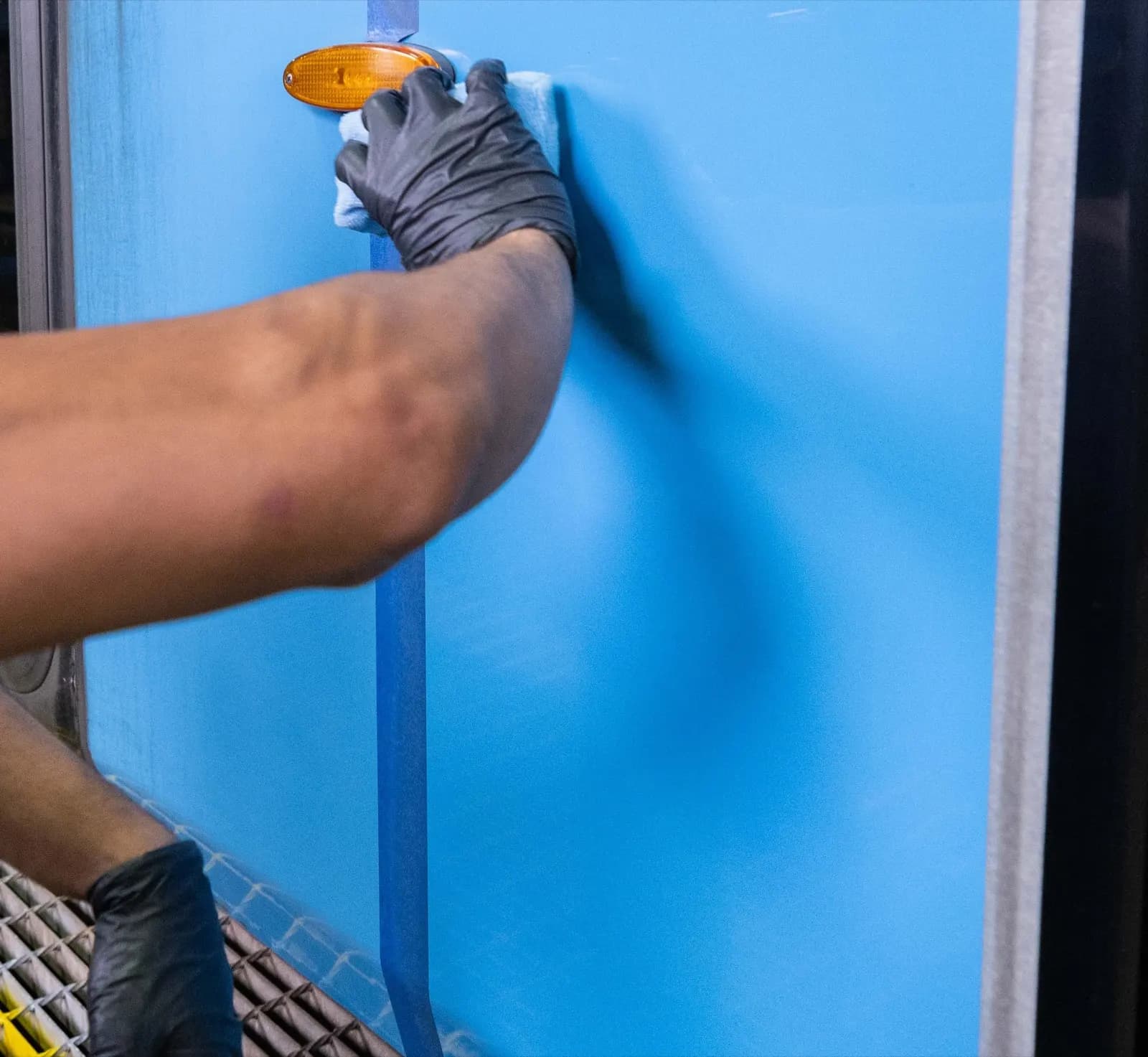
Every industrial project begins with understanding the application. The technical team evaluates the substrate, operating environment, exposure risks, performance requirements, available application methods, maintenance procedures, and planned validation process before recommending a protection system.
This assessment determines whether an existing technology can be used directly, whether several protection technologies should be combined, or whether the project requires additional development and testing.
Substrate
Metal, glass, paint, composites, plastics, stone, powder-coated and other industrial surfaces.
Exposure
UV, humidity, salts, chemicals, abrasion, industrial emissions, contamination, temperature and other operating conditions.
Application
Manual, spray, automated or process-specific application, adapted where necessary to the customer’s existing production capabilities.
Performance & Validation
Expected service life, maintenance requirements, performance targets and customer-specific testing procedures.
- 1
Technical Consultation
Define the surface, operating conditions, objectives and project requirements.
- 2
Surface & Environment Analysis
Evaluate the substrate, exposure conditions and relevant degradation mechanisms.
- 3
Protection System Development
Select or combine appropriate coatings, films, preparation methods and maintenance solutions.
- 4
Sample Preparation & Validation
Prepare representative samples and validate the proposed system using relevant laboratory or customer-specific testing methods.
- 5
Application Engineering & Implementation
Define the application and curing process and adapt it to the customer’s production environment.
- 6
Performance & Technical Support
Establish inspection and maintenance procedures and provide technical support after implementation.
Discuss Your Industrial Protection Project
Tell us what needs to be protected, what it is exposed to, and what you need the protection system to achieve. Our technical team will evaluate the application and determine the appropriate technologies, testing requirements, and next steps.